
North Texas gets some of its hardest rain and most active storm patterns in May and June. If your home has not been checked before storm season, this is the time to do it.
This pre-storm checklist will help you look at the areas that matter most before heavy rain arrives: the roof, gutters, downspouts, drainage near the foundation, low entry points, and old signs of water damage.
If you find warning signs now, Pivot Roofing & Solar can inspect the problem before the next storm turns it into a bigger repair. And if water has already entered your home, our team provides flood restoration support across DFW.
North Texas Storm Season Puts Homes Under Pressure
May and June bring repeated storms, wet ground, fast runoff, and wind-driven water that can expose small exterior problems. A home may get through the first storm and still have trouble during the next one because the soil, gutters, and drainage paths are already loaded.
Flood damage is not always caused by one dramatic event. Sometimes it starts with small failures happening together: a roof valley pushing too much water into one gutter section, a downspout draining beside the foundation, a low patio corner holding water, or a ceiling stain that appears only after heavy rain.
For homeowners comparing flood damage restoration services in Southlake, the useful question is simple: where will the water go when the next storm arrives?
Saturated Ground Makes the Next Rainfall More Risky
Rain after a dry week behaves differently from rain after several wet days. When soil is already saturated, the next rainfall has fewer places to go. More of it becomes runoff toward foundation edges, garage entries, patios, landscaping beds, and exterior walls. If downspouts are short or drainage slopes back toward the structure, even a normal-looking storm can create a problem.
This is why flood repair services in Fort Worth, TX, are often needed after conditions that existed before the storm. The rain exposed the issue, but the setup was already there.
The Pre-Storm Water Path Check
Start where rain lands. Then follow where it should go.
Start With the Roof
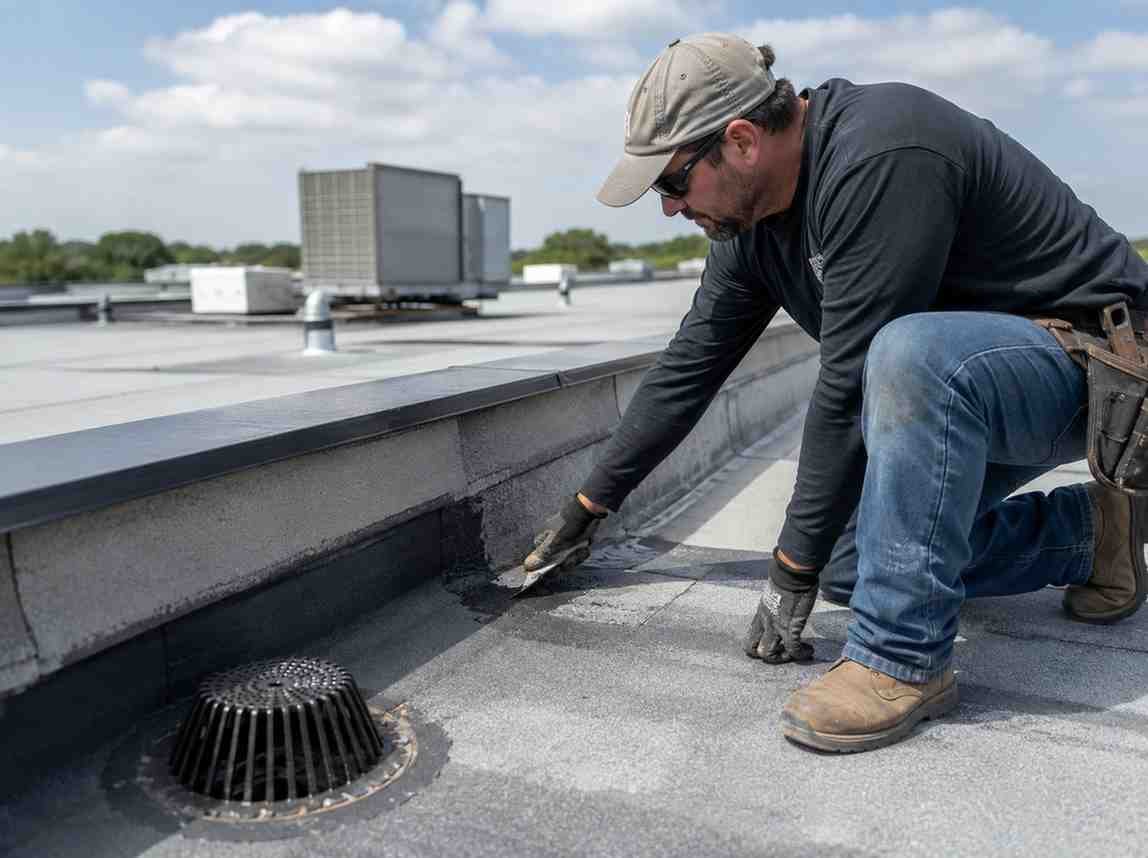
Look from the ground for missing shingles, lifted edges, visible storm wear, debris in roof valleys, or areas where water may collect. A stain that appears only after heavy rain may point to flashing, roof penetrations, attic moisture, or wind-driven water.
Homeowners searching for flood damage restoration in Fort Worth after a ceiling stain may not know yet whether the water entered from above, below, or through an exterior transition. The source matters before repair work begins.
Check the Gutters and Downspouts
Gutters decide where a large amount of roof water goes during heavy rain.
If the downspout releases water beside the foundation, toward a low entry point, into a flower bed that slopes back to the wall, or onto soil that already stays wet, the system is still sending water to the wrong place.
Before searching for water damage restoration in Southlake after water enters the home, check the exterior clues: overflow at the same gutter corner, soil washed out below a downspout, mulch pushed away from the wall, or standing water close to the foundation after rain.
Look at the Ground Near the Foundation
The ground should not send water back to the house. Look for soft soil near the foundation, low areas beside patios, drainage paths that end near walls, or runoff from driveways and walkways that moves toward doors.
Pivot Roofing & Solar provides gutter installation and repair focused on moving runoff away from the home, not just hanging a new gutter line.
Warning Signs to Check Before Heavy Rain
The last storm probably gave you a useful list. Check these areas before heavy rain returns:
- Gutters that overflowed in the same place
- Downspouts that empty beside the foundation
- Soil erosion under gutter outlets
- Water pooling near doors, patios, or garage entries
- Ceiling stains after wind-driven rain
- Damp baseboards or musty smells after storms
- Soft spots in flooring
- Water marks on exterior walls
- Sagging gutter sections
- Loose shingles or visible roof damage
- Gaps around windows, doors, vents, or siding transitions
Repeated signs are not random. They show where the property struggles when rain is heavy. Homeowners looking for flood damage restoration services in Bedford or Southlake should not wait for standing water before asking for an inspection.
Safe Steps When Water Starts Entering During a Storm
When water starts entering during an active storm, the goal is safety first.
Do not climb onto the roof.
Do not clear gutters during lightning, wind, or heavy rain.
Do not walk through floodwater.
Do not touch wet outlets, cords, or electrical panels.
If it is safe, take photos or short videos of where water is entering and which rooms are affected. Permanent repairs can wait until the storm passes. A proper inspection should come next, especially if water reached walls, flooring, ceilings, insulation, or exterior openings.
When a Pre-Storm Inspection Makes Sense
Call before the next storm if gutters overflow during heavy rain, downspouts drain too close to the home, water pools near the foundation, old ceiling stains are still unexplained, or one room smells damp after storms.
If you are already looking for flood repair services in Fort Worth, TX, after damage appears, a pre-storm inspection may help catch weak points earlier. It can also clarify whether the home needs roof inspection, gutter repair, storm restoration, drainage correction, or flood restoration after water has already entered.
Pivot Roofing & Solar Helps Before and After Flood Damage
Pivot Roofing & Solar looks at flood readiness the way a property actually works: roof, gutter, downspout, drainage, exterior surface, and interior warning sign.
If water has already entered, Pivot can inspect the affected areas and help define the restoration scope. If the storm has not arrived yet, Pivot can check the roof, gutter system, downspout placement, drainage concerns, and exterior weak points that may allow water intrusion.
Whether you need water damage restoration in Southlake after stormwater enters the home, flood damage restoration services in Bedford after localized flooding, or a flood damage restoration company in DFW, TX, when roof, gutter, and drainage issues overlap, Pivot brings one clear inspection-first approach.
Schedule Your Pre-Storm Flood Readiness Check
Do not wait until water enters the house to find out that your roof, gutters, downspouts, or drainage path cannot handle the next North Texas storm.
Pivot Roofing & Solar provides roof inspection, gutter services, storm restoration, and flood restoration support across DFW. If you need flood damage restoration services in Fort Worth, Bedford, Southlake and nearby communities in the DFW area after storm-related water intrusion, contact Pivot Roofing & Solar today.
Protect the home before the next storm tests it. Schedule your pre-storm inspection now.
FAQs
No. Heavy rain, runoff, clogged gutters, poor drainage, roof leaks, and low entry points can create water damage even outside mapped flood zones.
Yes. If the downspout releases water too close to the home or into an area that slopes back toward the structure, water can still pool where it should not.
Yes. Take photos of gutters, downspouts, roof edges, drainage areas, low entry points, and rooms where you have noticed past stains or damp smells. If damage appears later, you have a clearer record of what changed.
Call if you have repeated gutter overflow, water pooling near the foundation, roof concerns, old ceiling stains, musty smells after rain, or previous water intrusion.